
Fork Sensors for Industrial Automation
Fork sensors are widely used in industrial automation systems for precise object detection and positioning. These sensors feature a U-shaped design that allows accurate detection of small objects passing through the sensing gap.
These sensors are commonly used in packaging machines, label detection systems, and high-speed automation processes. They provide reliable detection, fast response, and consistent performance in industrial environments.
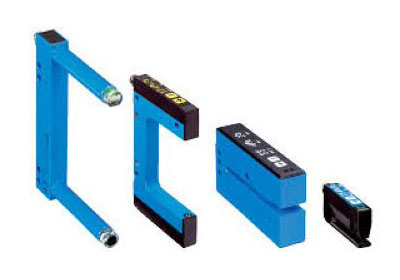
Top Fork Sensor Brands

Leuze Fork Sensors
Leuze fork sensors are widely used in industrial automation systems for precise object detection and positioning. These sensors ensure reliable operation by detecting small objects, labels, and components in high-speed applications.

SICK Fork Sensors
SICK fork sensors are widely used in industrial automation systems for high-speed and accurate detection. These sensors ensure stable operation by detecting objects, edges, and gaps in packaging and conveyor systems.

Banner Slot Sensors
Banner slot sensors are widely used in industrial automation systems for reliable object detection in compact spaces. These sensors ensure efficient operation by detecting parts, labels, and materials in fast-moving production lines.

Pepperl Fuchs Slot Sensors
Pepperl Fuchs slot sensors are widely used in industrial automation systems for precise sensing and object detection. These sensors ensure accurate operation by detecting small parts, labels, and positioning elements in automation processes.

Omron Slot Sensors
Omron slot sensors are widely used in industrial automation systems for reliable detection and positioning tasks. These sensors ensure stable operation by detecting objects, labels, and components in packaging and machine automation applications.
Fork Sensor Suppliers

✔ Verified🌟 Trusted Vendor
Deals in PAN India
Dealing Fork Sensor Brands: Leuze


Popular Fork/Slot Sensor Series
These are widely used fork and slot sensor series from major industrial automation brands used for precise object detection, label sensing, and high-speed automation applications.
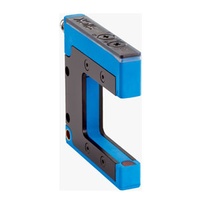
SICK WFE Series
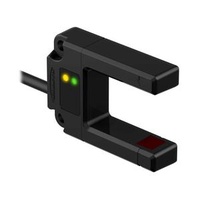
Banner Slot Sensor Series
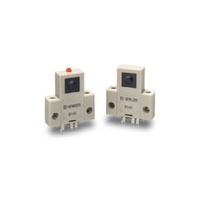
Omron EE Photomicro Sensor Series
Types of Fork Sensors
Fork sensors are available in different types based on sensing technology and application requirements.
Optical Fork Sensors
Optical fork sensors use light-based detection to identify objects passing through the sensing gap. These are widely used for detecting labels, paper, and small components.
- High detection accuracy
- Fast response time
- Used in packaging and printing applications
Ultrasonic Fork Sensors
Ultrasonic fork sensors use sound waves to detect objects and are suitable for transparent or reflective materials.
- Works on ultrasonic waves
- Suitable for transparent objects
- Used in advanced detection applications
Applications of Fork Sensors
Fork sensors are widely used in industrial automation systems for accurate object detection and positioning.
- Label Detection – Used to detect labels in packaging and printing machines.
- Counting Applications – Helps count small objects in production lines.
- Position Detection – Ensures accurate positioning of components.
- Packaging Machines – Detects products and materials during packaging processes.
- Paper and Film Detection – Used in printing and converting industries.
In real industrial applications like packaging and labeling machines, these sensors ensure accurate detection and improve process efficiency.
Without proper detection systems, automation processes may face errors or inconsistencies. Fork sensors help reduce these issues by providing reliable and precise sensing.
They improve process accuracy, enhance automation performance, and ensure consistent operation in industrial environments.
Fork Sensors FAQs
What are fork sensors?
Fork sensors are devices used to detect objects passing through a sensing gap in industrial automation systems.
Where are fork sensors used?
They are used in packaging machines, labeling systems, printing applications, and counting processes.
Why are fork sensors important?
Fork sensors provide accurate detection of small objects and ensure reliable operation in automation systems.
How do fork sensors work?
They use optical or ultrasonic technology to detect objects passing between the sensor arms.
Conclusion
Fork sensors play an important role in industrial automation by providing precise object detection and positioning. Their unique design allows accurate sensing of small objects in high-speed applications.
These sensors are widely used in packaging, labeling, and printing systems where accuracy and reliability are essential. Proper usage helps improve efficiency and reduce errors in automation processes.
Fork sensors are widely used across industries to support automation, improve productivity, and ensure reliable operation of machines and systems.